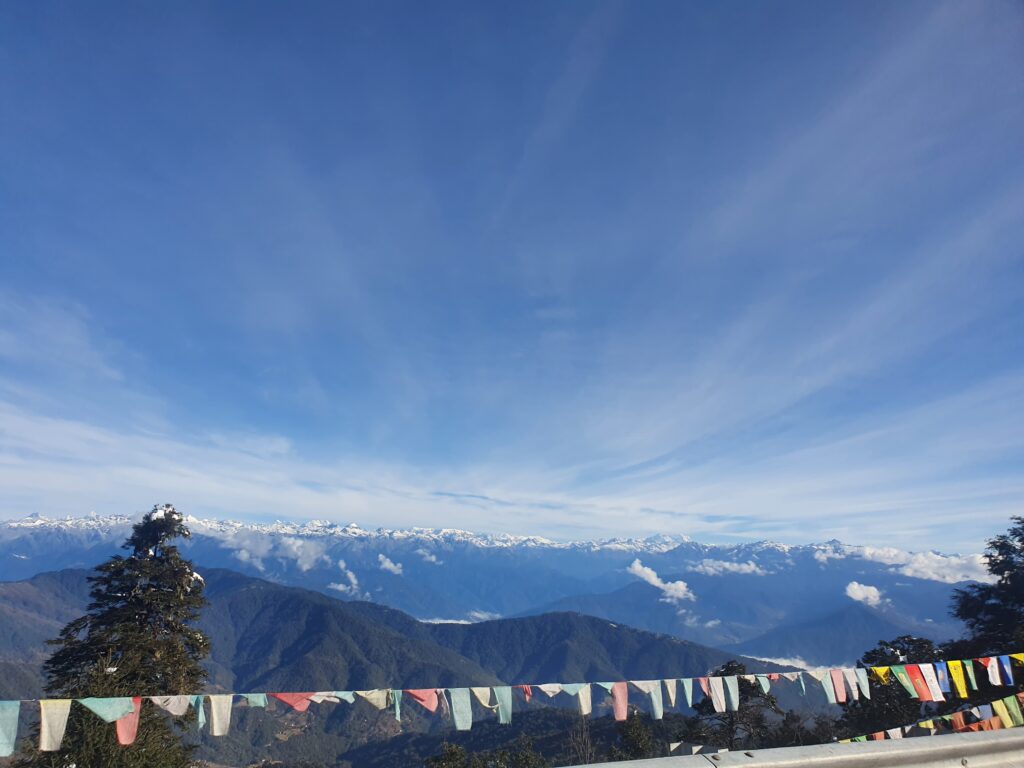
Bhutan stands as a magnificent global beacon for environmental conservation, possessing a natural landscape so pristine and fiercely protected that it remains one of the world’s only carbon-negative nations. Nestled in the eastern Himalayas, the kingdom’s constitutional mandate dictates that at least 60% of its total land area must remain forested for all future generations. Currently, over 70% of the country is blanketed in lush, untouched forests, creating a continuous, living green canopy that absorbs far more carbon dioxide than the nation emits. By prioritizing ecological harmony over unchecked industrial growth, Bhutan has successfully preserved a raw, untamed sanctuary where nature does not merely exist alongside humanity, but actively thrives at the center of national life.
This unyielding commitment to the earth has turned the country into a critical global biodiversity hotspot. Because its terrain spans from subtropical lowlands to dramatic, snow-capped alpine heights, Bhutan provides a safe haven for an astonishing array of rare and endangered wildlife. Majestic Royal Bengal tigers roam its dense subtropical jungles, while elusive snow leopards navigate the craggy, high-altitude peaks. Between these two extremes, the pristine valleys provide crucial winter nesting grounds for the vulnerable black-necked cranes, and the ancient forests shelter playful golden langurs. Rather than isolating these species into fragmented pockets of land, Bhutan has established an innovative network of national parks and strict wildlife sanctuaries connected by wide biological corridors, allowing animals to migrate freely and naturally across the changing elevations.
What truly sets Bhutan’s environmental story apart is how deeply its natural world is interwoven with its cultural and philosophical identity. In Bhutan, nature is not viewed merely as a resource to be harvested or a commodity to be sold; it is revered as a sacred, living entity. Deeply rooted in Buddhist principles of mindfulness and the interconnectedness of all living things, the local culture teaches a profound respect for the mountains, rivers, and forests. This philosophy is perfectly embodied in the country’s famous Gross National Happiness index, which explicitly places environmental conservation as one of its core, non-negotiable pillars. By balancing modern sustainable development with ancient ecological wisdom, Bhutan proves to the world that a nation can move forward into the future while keeping its soul firmly rooted in the preservation of the earth.